The Rif Mountains: The Green Heart of Northern Morocco
Most travelers picture Morocco as endless orange sand dunes and dry deserts. They are surprised when they arrive in the north and see the Rif Mountains.
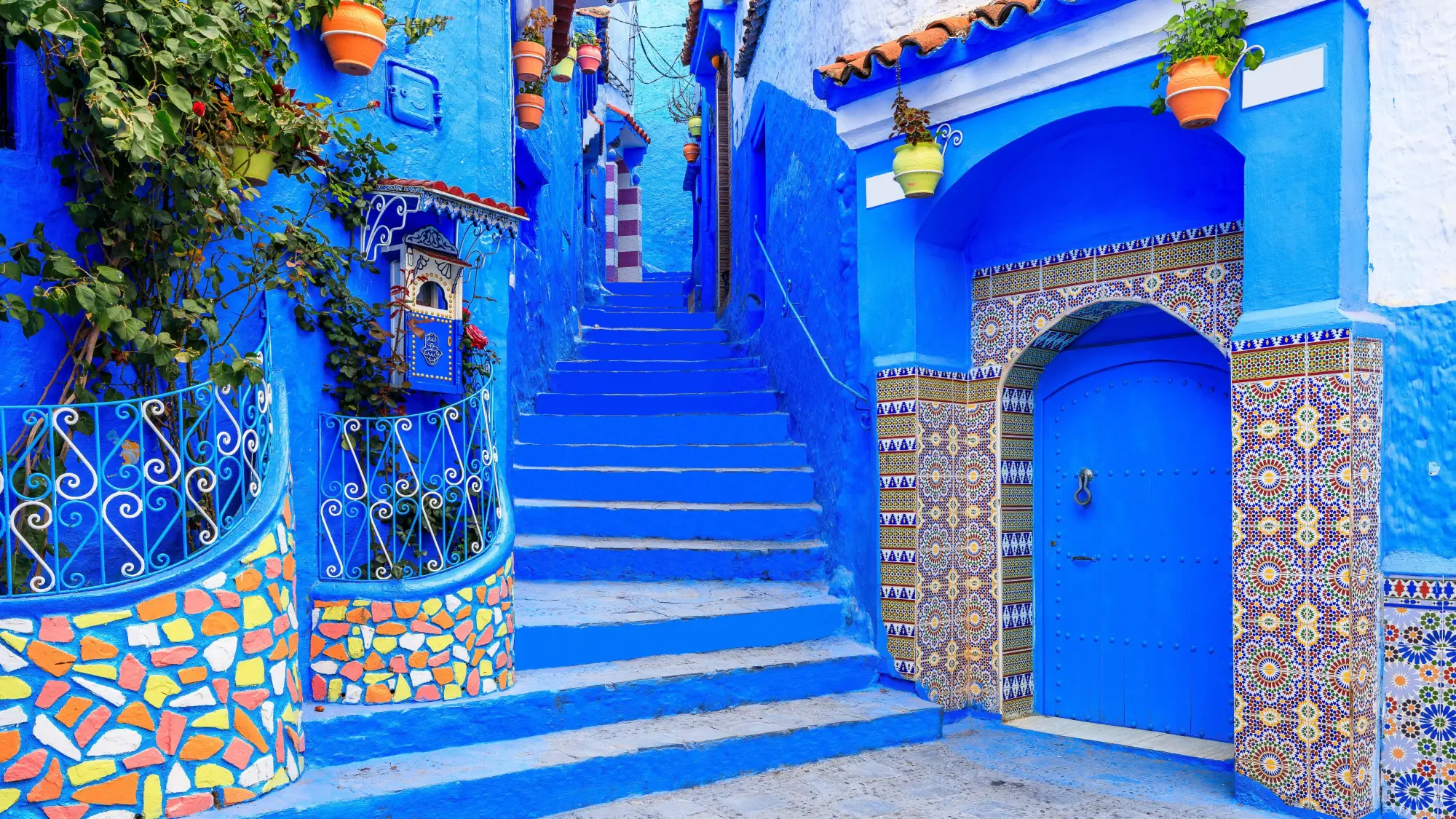
Lush, green, and dramatic, the Rif region stretches along the Mediterranean coast. It is the perfect counter-balance to the heat of the Sahara. While most tourists only stop here to snap photos in Chefchaouen, the region offers some of the best hiking, waterfalls, and authentic culture in North Africa.
If you love nature and want to escape the crowds of Marrakech, this is where you should be.
Beyond the Blue City: Top Things to Do
While Chefchaouen is the jewel of the Rif, the surrounding mountains are full of hidden gems that most bus tours skip.
- Hike to the Akchour Waterfalls
Located about 45 minutes from Chefchaouen, this is a favorite spot for locals but often missed by international tourists.
- The Trail: It is a moderate hike (2-3 hours round trip) through a river valley.
- The Reward: You will reach the Grand Cascade, a stunning tall waterfall. Along the way, look for God’s Bridge (Pont de Dieu), a massive natural rock arch spanning the river.
- Local Tip: Avoid weekends in July and August if you want peace and quiet; it becomes a popular swimming spot for Moroccan families.
- Explore Tetouan (The White Dove)
Often overshadowed by Tangier, Tetouan sits at the foot of the Rif Mountains.
- The Vibe: It feels very Spanish-Andalusian. The Medina is a UNESCO World Heritage site and is far less chaotic than Fes. You can walk here without being hassled.
- Art & Culture: It is known as the artistic capital of Morocco, famous for its school of fine arts and traditional craftsmanship.
- Trekking in Talassemtane National Park
If you are a serious hiker, this park is your playground. It is home to the rare Moroccan Fir tree and offers spectacular limestone cliffs. Unlike the High Atlas, which are high and rocky, the Rif is green, forested, and diverse.
Driving in the Rif: The "Motion Sickness" Warning
We believe in honest logistics. The roads in the Rif Mountains are incredibly scenic, but they are also incredibly winding.
- The Reality: To get from Tangier to Chefchaouen or Fes, you will be on curvy mountain roads for hours.
- The Fix: If you suffer from car sickness, bring medication. Booking a private tour is a huge advantage here—your driver can stop whenever you need fresh air or want to take a photo of the view.
The Culture: The Amazigh Spirit
The people of the Rif (Riffians) are predominantly Amazigh (Berber). They have a distinct history of independence and resistance. You will notice the culture is slightly different here than in the Arab-influenced cities of the south. The hospitality is warm, but the vibe is proud and mountainous.
When is the Best Time to Visit?
The Rif Mountains have their own micro-climate.
- Spring (March-May): The absolute best time. The mountains are bright green, and the wildflowers are blooming.
- Summer: It is hot, but usually cooler than the rest of Morocco due to the altitude and Mediterranean breeze.
- Winter: It rains here. A lot. The lush greenery exists for a reason. If you visit in January or February, pack a raincoat and waterproof shoes.
Inspired to explore Rif Mountains?
Start designing your Customized Morocco desert tours and private city escapes today. Let our experts curate the perfect journey for you.
Plan Your Custom Journey